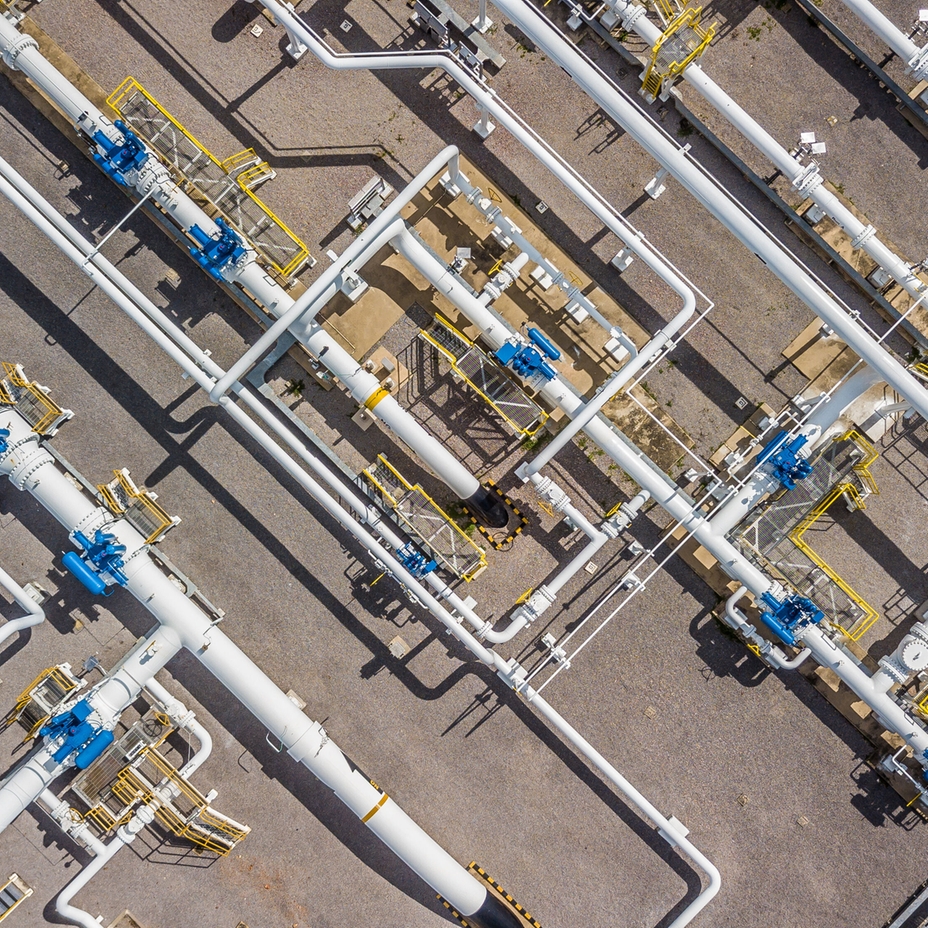
Ensuring a precise and consistent blend ratio of hydrogen and natural gas is crucial for downstream applications. This requires accurate and reliable flow measurement of both gases, as well as real-time monitoring of the blend composition through online analyzers.
Parameters
Focus on key process parameters
Measure hydrogen flow accurately
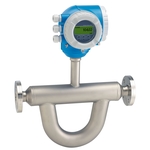
Hydrogen has a low density and viscosity compared to natural gas, making it difficult to measure accurately with traditional flow meters. This requires specialized flow meters like Coriolis.
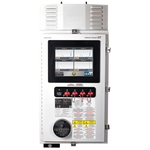
Ensuring accurate blend ratios in a hydrogen-natural gas blending unit is critical for safety, efficiency and compliance. Raman technology offers a highly precise and reliable solution for real-time monitoring of the blend composition.
Unlock precision blending with Endress+Hauser Coriolis flowmeters
Achieve seamless integration of hydrogen into the natural gas grid through unparalleled accuracy, stability and control over hydrogen flow measurement. Promass Q 300 offers:
Multivariable measurement in gas streams, including mass flow, density, temperature and corrected volume flow.
Best-in-class turndown for hydrogen flow measurement, globally accepted custody transfer approvals.
Highest process safety due resistance to fluctuating and harsh environments.
Highest process safety due to all-welded design, resistance to process fluctuations and harsh environments. International hazardous area approvals and designed acc. to IEC 61508/511
Raman spectroscopy delivers unparalleled precision in determining the final mix ratio, reliably measuring the complete gas composition, including many commonly found natural gas components. Raman Rxn5 analyzers ensure:
Optical based compositional gas analyzer with multiple channels for redundancy or distributed measurements
Enhanced operator safety and response times with a remote probe for real-time monitoring
Inline measurement to avoid emissions associated with extractive gas measurements
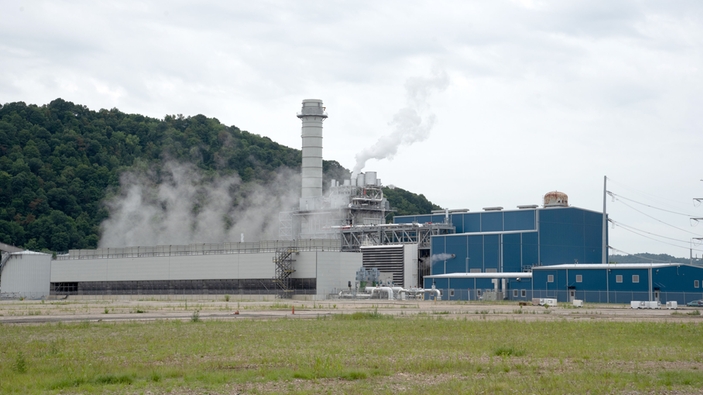
Messer produces hydrogen in a steam reformer. The facility has a large number of protection and safety devices where pressure values play an important role.
Discover why we're the right partner for sustainable, efficient hydrogen production, transport and storage
Wodór - podstawowy nośnik energii dla osiągnięcia celów dekarbonizacji
Wodór to obiecujący nośnik energii umożliwiający zmniejszenie emisji dwutlenku węgla, a infrastruktura do jego produkcji rozwija się w szybkim tempie. Dowiedz się,w jaki sposób Endress+Hauser może wspomagać zrównoważony rozwój i zapewnić zgodność przepisami.
Instrumentation for safe and efficient hydrogen compression and transport
Explore our cutting-edge portfolio to ensure efficiency in hydrogen compression and transport.
Zrozumieć „kolory” wodoru poza zielonym
Choć wodór ma ogromny potencjał w redukcji emisji, a „zielone” technologie zyskują na popularności, to wciąż dominuje produkcja oparta na paliwach kopalnych. Dowiedz się, co sprawia, że alternatywne metody wytwarzania stają się coraz ważniejsze.
Jak produkuje się wodór?
Mimo, że obecnie istnieją różne technologie produkcji wodoru, a inne są w trakcie opracowywania, jednak efektywność produkcji wymaga dokładnej oceny szeregu wyzwań. Dowiedz się więcej!
Szanujemy Państwa prywatność
Używamy plików cookie, aby poprawić komfort przeglądania, gromadzić dane statystyczne w celu optymalnego działania witryny i wyświetlać spersonalizowane reklamy lub treści.
Wybierając "Akceptuj wszystko", wyrażacie Państwo zgodę na używanie plików cookie.
Aby uzyskać więcej informacji, prosimy o zapoznanie się z naszą Polityką plików cookie .